The Yappie blog

How focus actually works: starting, resting, and working alongside other people. Grounded in research, written plainly, and useful whether or not you ever use Yappie.

A short path of round stepping stones set into a calm green lawn, seen from a slight angle in cool, soft overcast light, the stones leading gently away into the distance.Research

Interest can be built: the six-pages-a-day maths experiment

November 4, 2026

In an experiment published in 1981, children far behind at maths who were told they might aim for six pages a session were far more likely to do some subtraction when given a free choice. We discuss its limitations and what it suggests trying.


Close-up of a sharpened pencil tip resting on a notebook page filled with neat rows of small pencil tick marks, in warm morning light, with a pale wooden desk softly blurred behind.Research

Does tracking your progress help? What 138 experiments found

October 26, 2026

In 138 randomised studies, prompting people to track a goal raised how often they checked by a lot and goal attainment by a small to medium amount. What to track, and what the paper does not show.

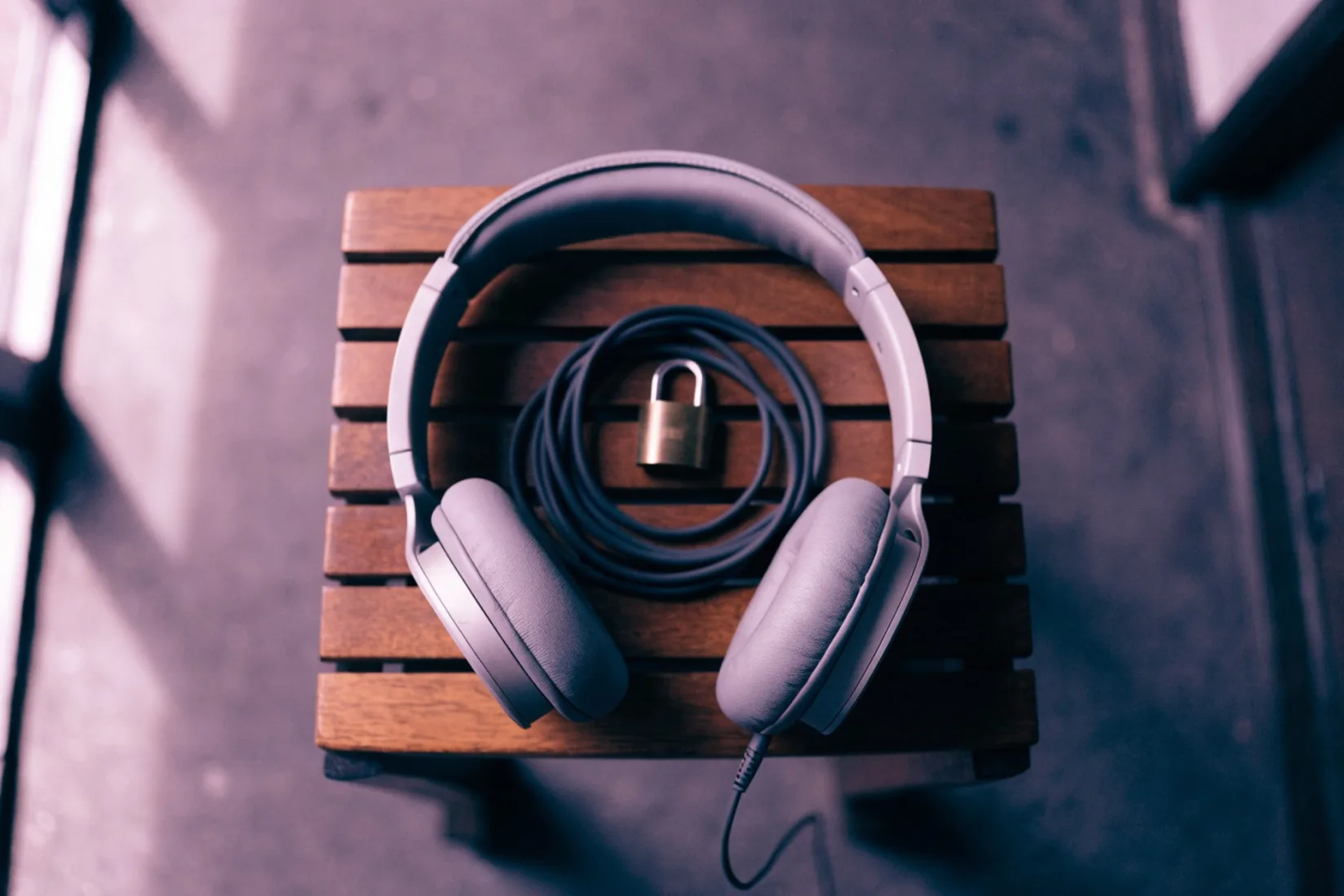
A pair of over-ear headphones lying on a slatted wooden gym bench, photographed from above, with a small brass padlock resting on the coiled cable.Research

Temptation bundling works when the treat is locked away: the gym-locker study

September 25, 2026

Temptation bundling means saving something you crave for the task you keep avoiding. In the one test of it, audiobooks locked in a gym locker raised gym visits by about half in the first week; asking people to keep the rule themselves did not reliably work, and one holiday removed the effect.

A small round kitchen timer and a closed notebook with a pencil on a wooden desk, photographed from above in soft window light. Nobody is at the desk.Research

Someone finally tested the Pomodoro technique

September 23, 2026

The Pomodoro technique is in every study-skills book, and until 2023 nobody had tested it. When 87 students ran one two-hour session under three break schedules, the timer changed how the work felt, not how much they said they got done.

Body doubling means getting your own task done alongside someone else, and people did it long before it had a name. Does it help?Research

What the research on body doubling supports, and where it stops

September 17, 2026

Body doubling means getting your own task done alongside someone else, and people did it long before it had a name. Does it help? Here is what a survey of 220 adults, 241 experiments and 138 randomised studies can answer, and where each one stops.

Why is starting the hardest part of anything?  Researchers at Columbia University found a simple answer, using coffee cards.Research

What 949 coffee cards say about why starting is the hard part

September 15, 2026

Customers who were given a card with two stamps already on it finished the same ten coffees nearly three days sooner. A 2006 study of 949 coffee cards on why starting is the hard part, and what happens right after a reward lands.

A wooden desk at dusk seen from above, with an open notebook, a pen, a cup of tea and a brass lamp beside a window where the light is going.Research

What actually goes with procrastination (across 691 studies)

September 10, 2026

Perfectionism comes out at about zero. So does "wanting it" less. A 2007 meta-analysis of 691 correlations on what actually goes with putting things off, and what that changes about what to try.